
The Taj Mahal Look Through Porcelain and Stone
A Selection of Warm, Cohesive Surfaces for Every Interior
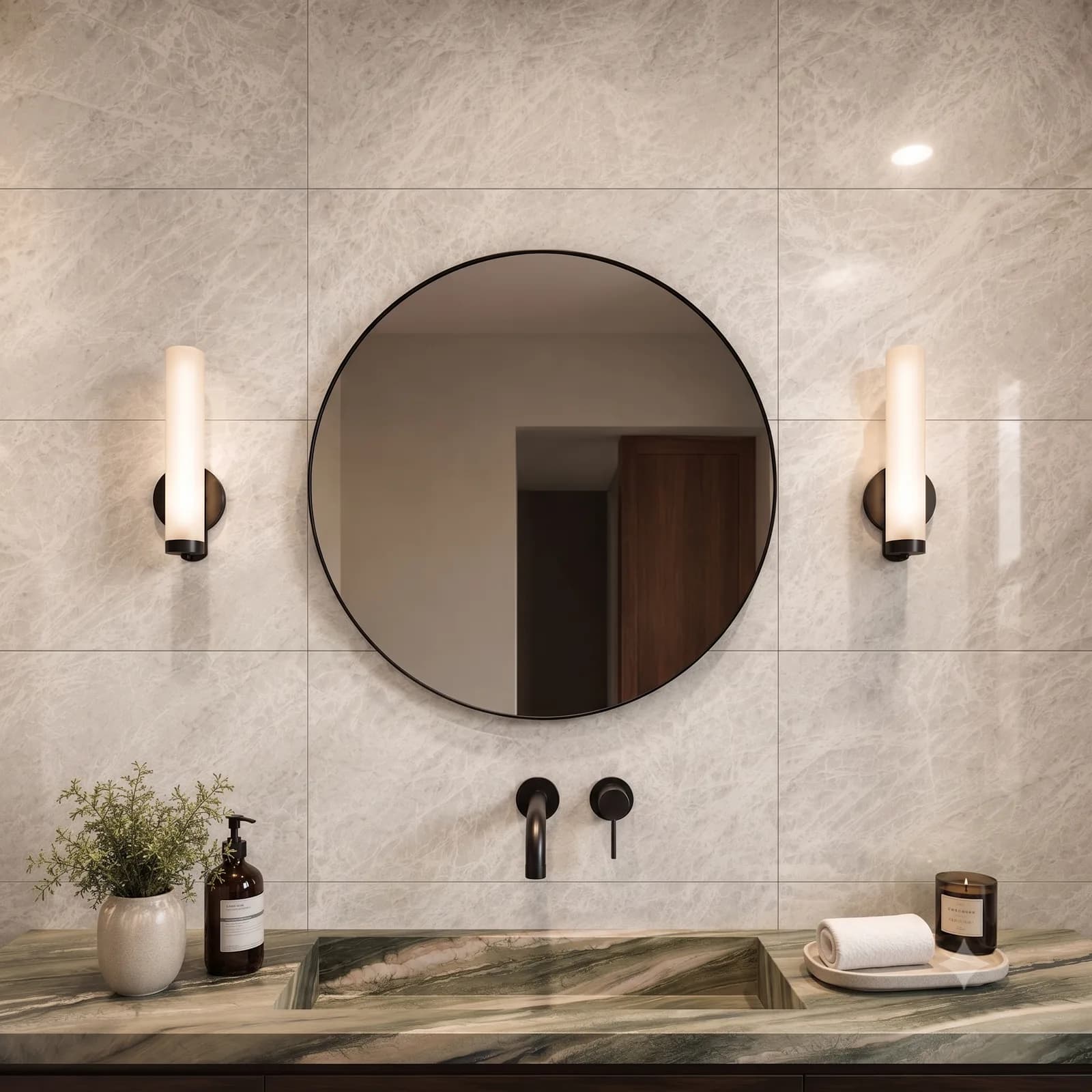
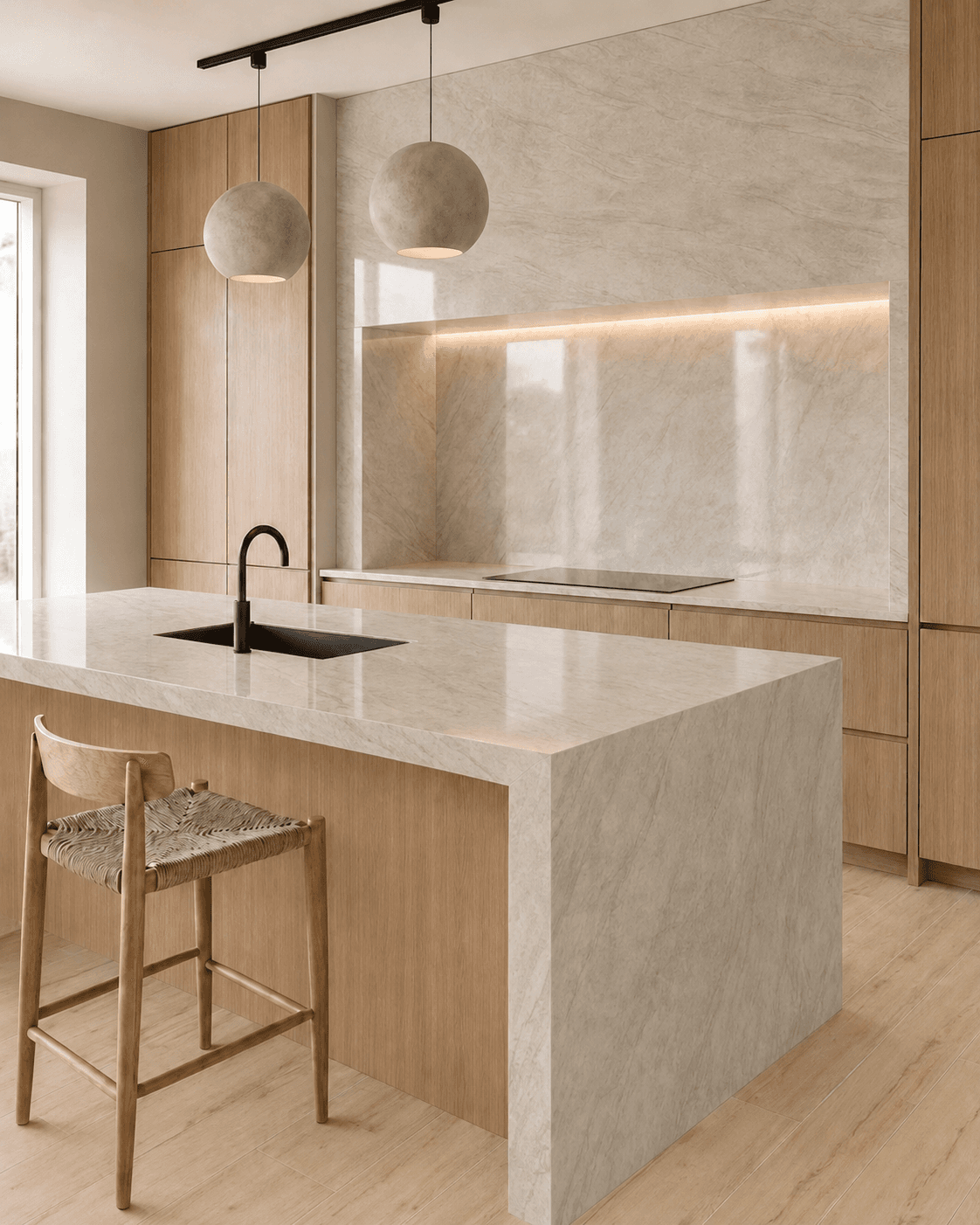
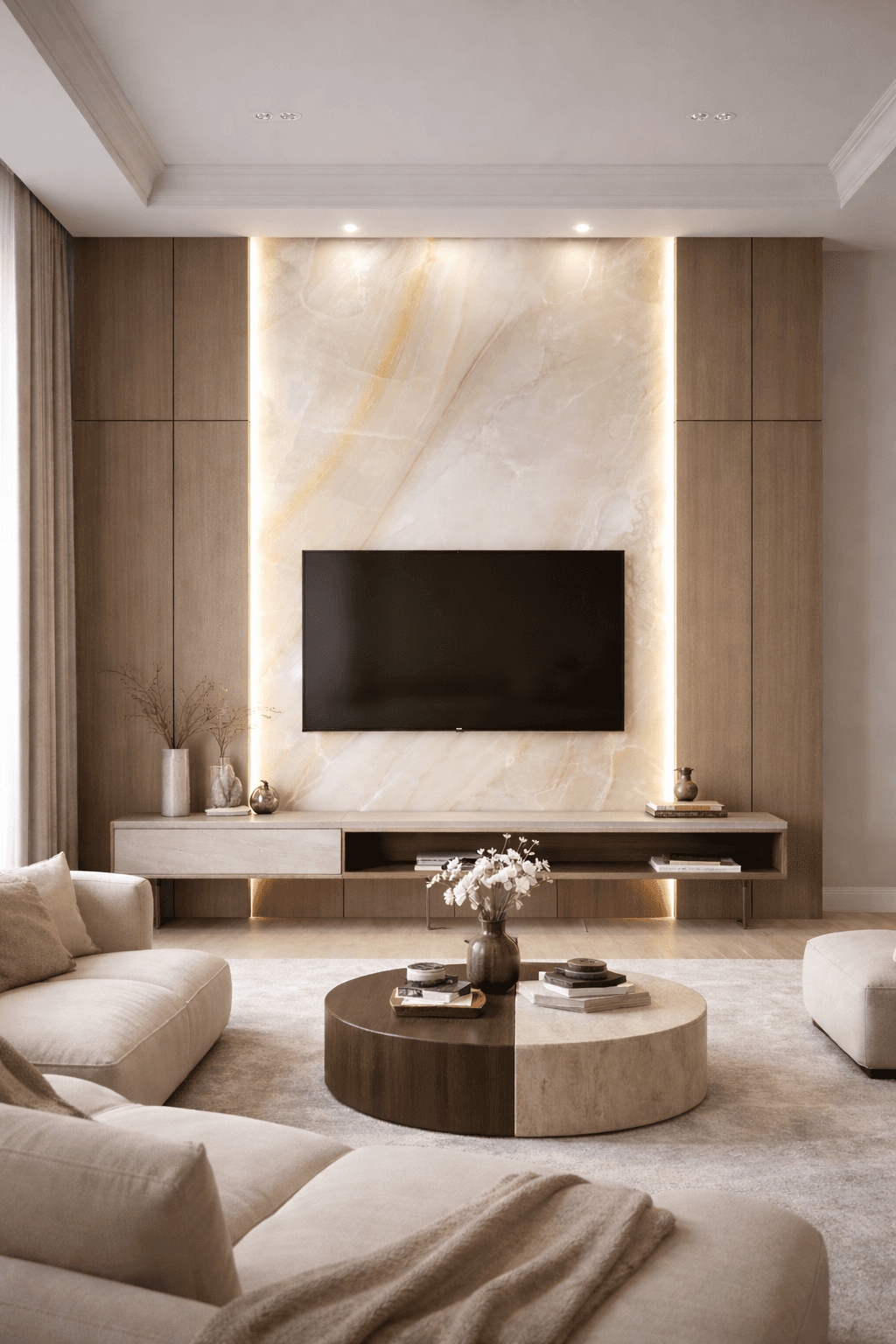
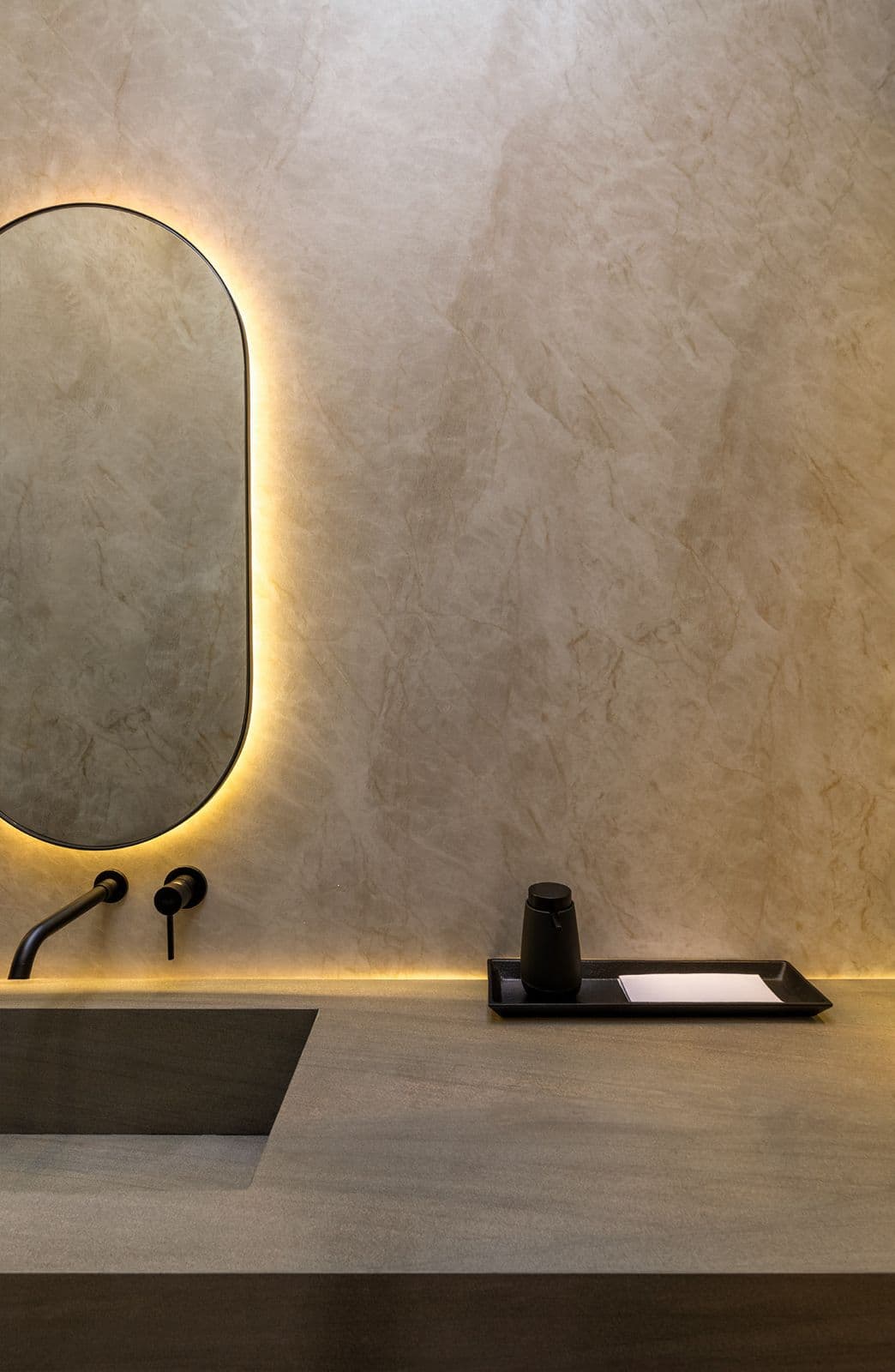
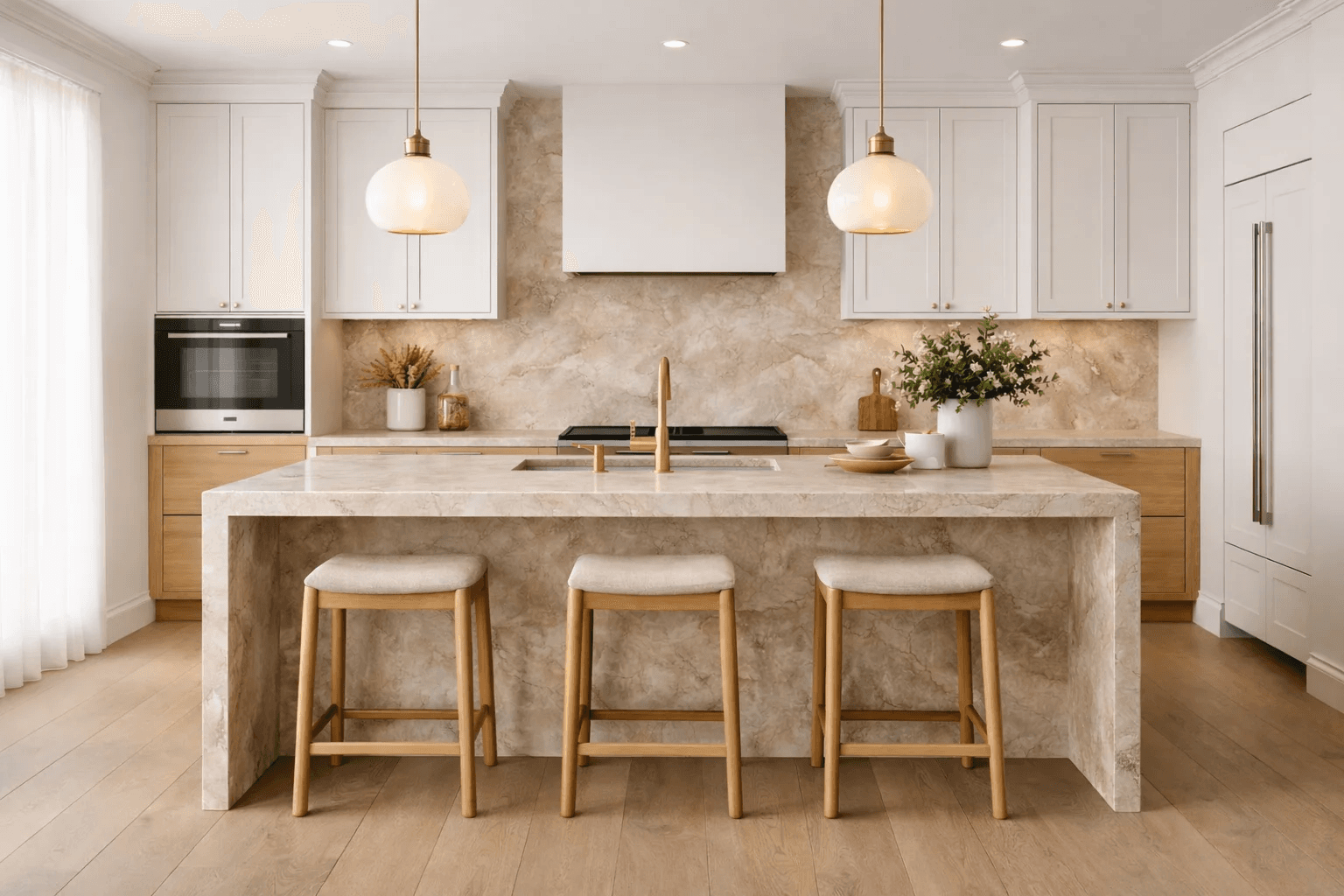
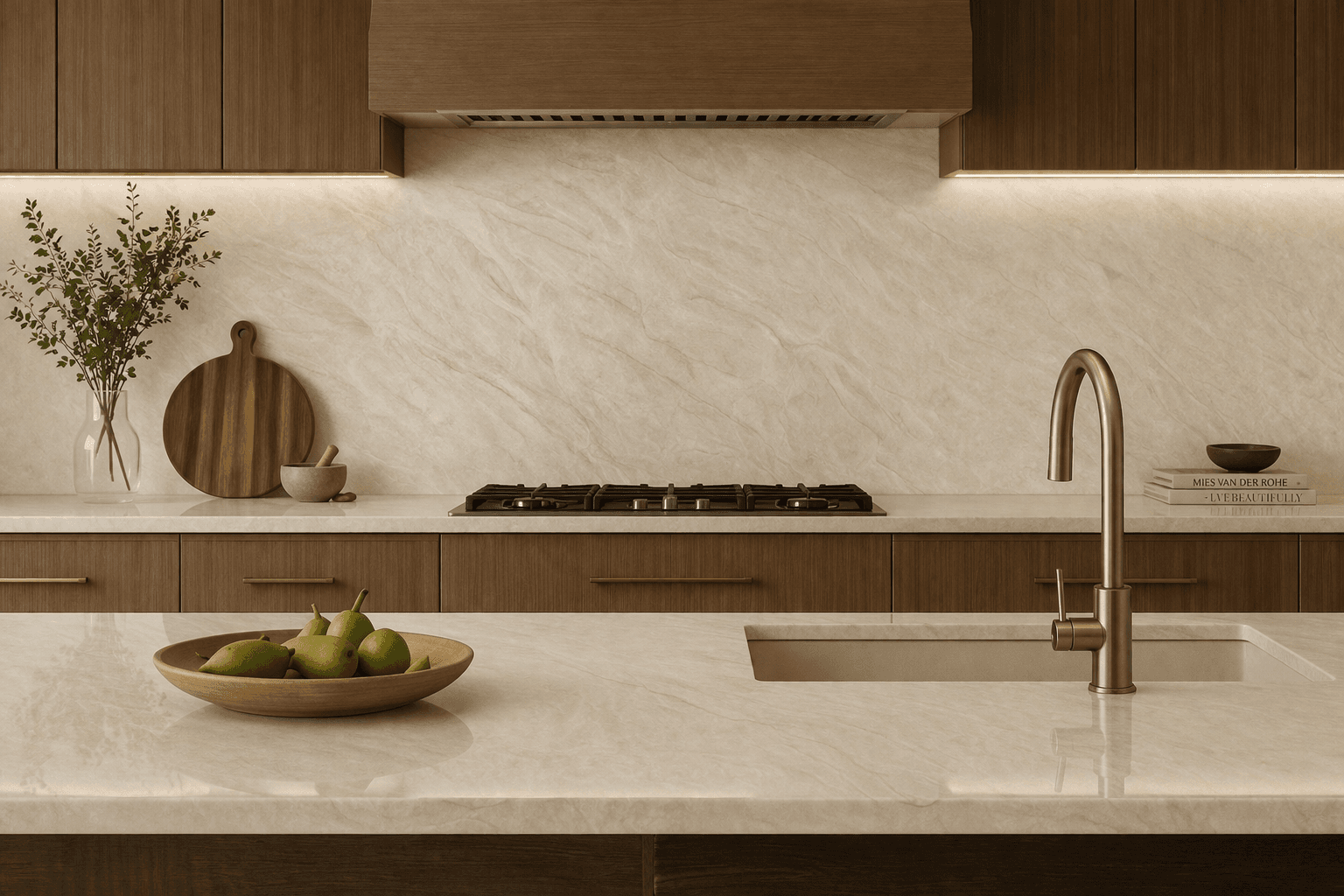
For architects and design professionals, specifying warm, enduring materials has become a cornerstone of contemporary design. The Taj Mahal aesthetic - recognized for its creamy warmth and subtle earthy movement - offers a refined, versatile foundation for interiors ranging from serene residences to high-traffic commercial spaces.
This selection explores the Taj Mahal look through both porcelain and stone. Porcelain offers low water absorption, easy maintenance, and formats that create visual continuity across floors and walls, while stone brings distinctive depth, texture, and material character. Together, these materials offer versatile solutions tailored to the specific needs and requirements of each space
The selection also incorporates products from Raphael Stone, each chosen for the distinct character and application it brings to the same warm design direction.
The Strengths of Porcelain Within the Taj Mahal Look
Porcelain Application Guide
Selected Raphael Stone Products
Always review the technical data for the selected product, finish, thickness, and installation method before final specification.
6 Questions for Specifying Each Product by Material
These six questions explore the applications of every product in the Taj Mahal selection, respecting the defining characteristics of each material.
1. Which applications suit Taj Mahal Almond as a porcelain material?
Taj Mahal Almond is a large-format porcelain slab designed to extend the warmth of the Taj Mahal look into bathrooms, showers, spas, feature walls, and frequently used commercial spaces.
Read more
Large-Format Porcelain: Its low water absorption, easy maintenance, and expansive scale make it possible to create continuous surfaces in wet and everyday-use environments.
2. How does Luxe Blanco adapt to different project scales?
Luxe Blanco is a porcelain surface available in tile and slab formats, allowing its luminous character to be used across floors, walls, and architectural compositions of different dimensions.
Read more
Porcelain in Tile and Slab Formats: Its format range supports both modular surfaces and broad, continuous planes in residential, hospitality, and commercial spaces.
Technical Deep Dive: In tile format, Luxe Blanco can cover floors and walls with an orderly, visible module. In slab format, it can create feature walls and larger-scale surfaces with fewer grout lines while maintaining a clean, luminous expression.
3. What applications are supported by the sizes and finishes of Gold Agate Onyx?
Gold Agate Onyx is a visually expressive porcelain surface available in a range of sizes and in two finishes, Polished and Matte. This flexibility allows it to be incorporated into feature walls, reception areas, fireplace surrounds, and decorative compositions.
Read more
Statement Porcelain: Its range of sizes makes it possible to tailor the scale of the design to the environment and the desired visual impact, while the Polished and Matte finishes adjust the reflectivity and the character of the surface.
Technical Deep Dive: Larger formats can create continuous, high-impact surfaces in lobbies, hospitality settings, and commercial spaces. More compact sizes can define focal areas and decorative compositions while preserving the expressive movement that characterizes the product. The Polished finish accentuates depth and luminosity, while the Matte finish offers a softer, more restrained surface; the finish should be selected according to the application and its slip-resistance requirements.
4. Which applications showcase the character of Taj Mahal Natural Stone?
Available in slab format, Taj Mahal Natural Stone brings depth and authentic material character to protected, dry interiors.
Read more
Natural Stone: Its organic expression is suited to fireplace surrounds, formal living spaces, feature walls, and statement furniture.
Technical Deep Dive: In protected applications, the slab format allows the natural movement of the stone to be displayed as a continuous architectural surface. Installation, sealing, and maintenance should be defined according to the technical specifications of the natural stone.
5. Which environments benefit from the characteristics of Taj Mahal Lithora?
Taj Mahal Lithora is a sintered stone developed for high-performance surfaces in kitchens and outdoor entertaining areas.
Read more
Sintered Stone: As a sintered stone, it can be used for islands, countertops, backsplashes, outdoor kitchens, and BBQ areas.
Technical Deep Dive: Sintered stone responds to projects where the surface must support culinary use, heat exposure, and outdoor conditions. Each application should be defined according to the product's technical data, thickness, and installation system.
6. Where can Taj Mahal Printed Stone be specified?
Taj Mahal Printed Stone is designed for decorative applications in dry interiors, including feature walls, panels, and reception areas.
Read more
Printed Stone for Dry Interiors: It introduces the Taj Mahal look to decorative surfaces away from moisture and exterior exposure.
Technical Deep Dive: This product should not be specified in showers, spas, high-humidity bathrooms, or exterior applications. Its use should be limited to dry interiors and follow the relevant technical installation and maintenance guidelines.
Ready to Bring the Taj Mahal Look into Your Next Project?
This selection demonstrates how porcelain can carry a distinctive Taj Mahal look across a wide range of interior applications. The featured Raphael Stone products add their own material character and performance attributes in the environments for which they were designed.
Raphael is more than a distributor; it is a design resource for creating cohesive, high-performance environments. With thoughtfully coordinated surfaces and ready-to-ship inventory, Raphael helps turn ambitious architectural concepts into spaces designed to endure.