
Mastering Large Format Porcelain: The Architect's Installation Guide
Master Seamless, High-End renovations without the cost, dust, or downtime of total demolition
For Architects and Designers (A&D), the creative vision is clear: seamless, monolithic spaces that evoke European luxury. You want to specify breathtaking 48×96 or 48×111 architectural slabs to create continuous, uninterrupted aesthetics. Yet, the moment these massive dimensions hit the blueprint, the contractor pushback often begins. The fear of complex handling, potential breakage, and specialized labor requirements frequently forces professionals to compromise, falling back on traditional, smaller tiles plagued by intrusive grout lines.
But what if achieving that monumental scale was actually not complex with the right tools? Learning how to effectively install large format tiles for your renovation projects is the ultimate key to unlocking uncompromised design. By understanding the structural innovations behind today’s architectural porcelain, you can eliminate contractor hesitation and deliver flawless results. With the right technical approach, specifying giant slabs is no longer a logistical nightmare—it is your greatest competitive advantage.
Key Benefits of Our Large Format Slabs
- The Versatile Weight Profile: Our 6mm thickness offers immense structural strength at a fraction of the weight, making handling and wall applications significantly easier than traditional thick stone.
- Tile-Over-Tile Capabilities: Transform spaces instantly by installing directly over existing surfaces, completely eliminating the need for costly and messy demolitions.
- The Monolithic Aesthetic: Reduce grout lines by up to 90%, delivering “The Wallpaper Effect” for a more sanitary, monumental, and visually expansive environment.
High-Impact Renovation Applications
- Luxury Bathroom and Shower Claddings: Create floor-to-ceiling seamless wet areas that are practically zero-maintenance.
- Commercial Lobbies and Feature Walls: Bookmatch 10-foot continuous veins across reception areas without weighing down the architectural structure.
- Fireplace Surrounds and Kitchen Backsplashes: Utilize the thermal shock resistance of porcelain to clad heat-exposed areas flawlessly.
As the industry standard shifts toward materials that blend striking visual depth with logistical efficiency, equipping your team with the right technical knowledge is the only way to stay ahead.
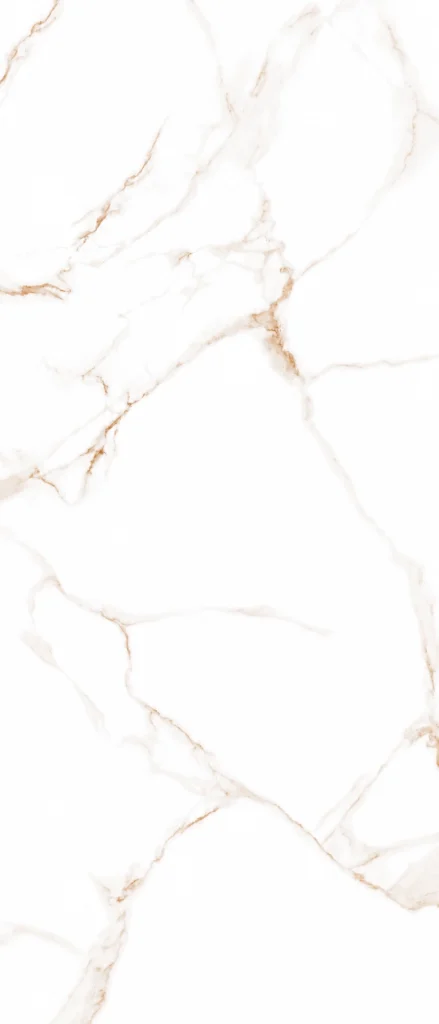
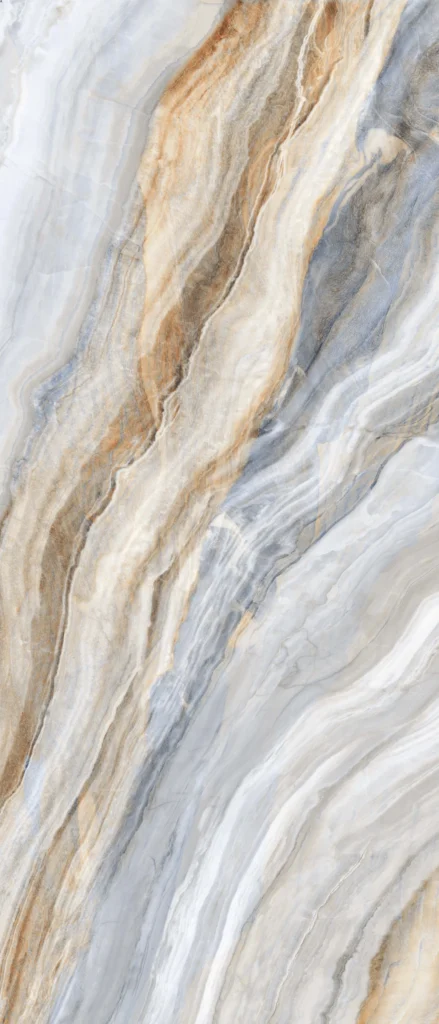
Featured 6mm Slabs for Seamless Projects


5 Questions Every Architect & Designer Needs Answered
Specifying a material for a high-end commercial or residential renovation requires precise technical data to protect your project and your clients. Relying on outdated installation myths can lead to compromised designs or inflated budgets. Here are the crucial technical and operational questions you must consider to execute large format installations flawlessly.
1. Why is the 6mm Profile the Ultimate Tool for Renovations?
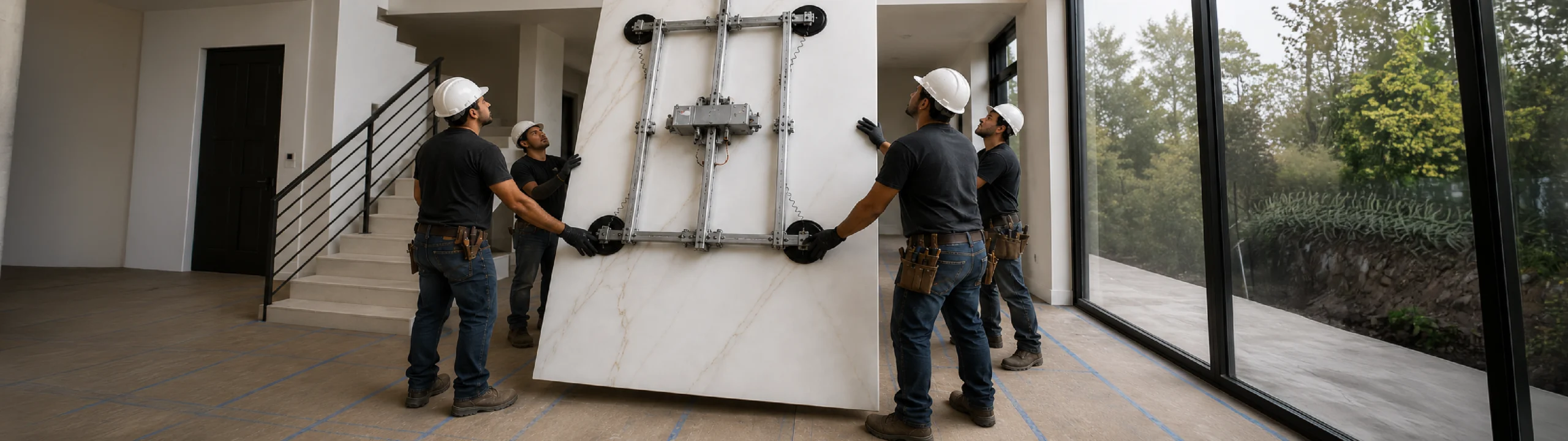
The Short Answer: The 6mm Versatile Weight Profile is specifically engineered to be light enough for seamless tile-over-tile installations, allowing you to achieve a brand-new, high-end look without tearing down existing structures.
Bypassing the Demolition Phase: One of the biggest hurdles in renovation projects is the demolition phase. Tearing out old bathroom tiles or hotel lobby flooring is incredibly messy, time-consuming, and expensive. It creates tons of debris and exposes the project to unforeseen structural repairs. When contractors see a 48×96 slab specified, they often assume it requires heavy-duty steel framing or a massive tear-out to support the weight. By specifying our 6mm Versatile Weight Profile, you completely change the conversation. These slabs are exceptionally light yet maintain the incredible breaking strength of high-density porcelain. This allows your installers to apply the new slabs directly over the old tile. You skip the demolition phase entirely, saving weeks of labor and instantly modernizing the space.
2. How Do We Prevent Breakage During Handling and Installation?
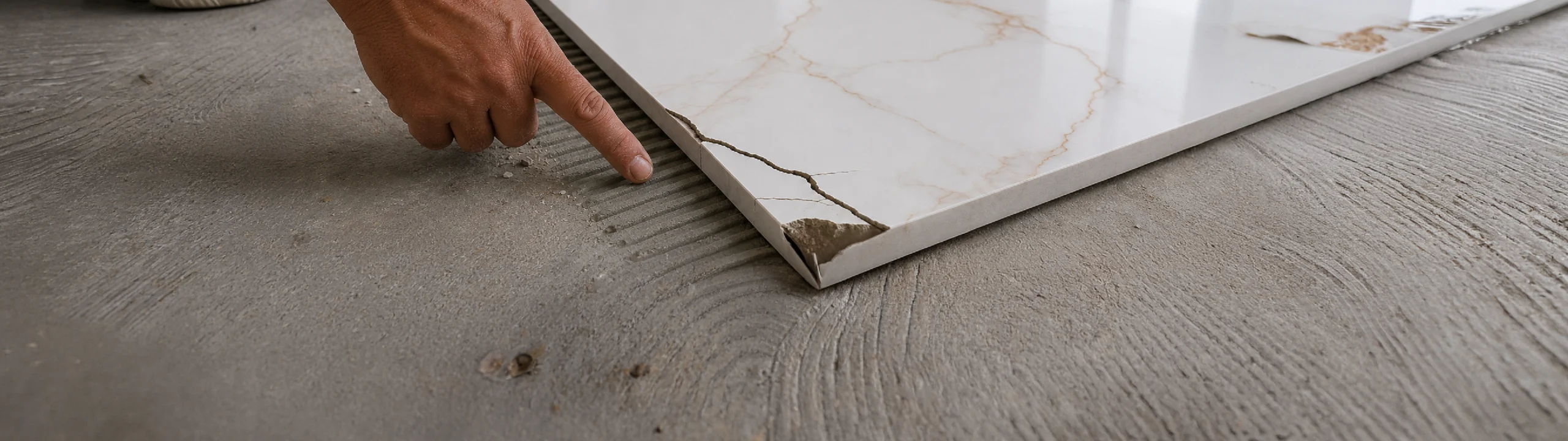
The Short Answer: Handling massive slabs is not complex with the right tools. Utilizing professional suction cup frames and proper team-lifting techniques completely neutralizes the risk of cracking or bending during transport.
Eliminating Contractor Pushback: The primary reason contractors push back against large format porcelain is the fear of snapping a highly valuable slab during the trip from the truck to the living room. Unlike standard 12×24 tiles that can be carried in boxes, a 48×111 slab acts like a massive sheet of glass before it is properly supported by mortar. The secret to flawless handling is entirely dependent on the equipment. Contractors simply need to use a modular handling frame equipped with vacuum suction cups. This rigid aluminum frame attaches to the face of the slab, preventing it from bowing, flexing, or twisting while it is being carried and maneuvered into position.
Technical Deep Dive: For slabs exceeding 48 inches, a minimum of two installers utilizing a reinforced handling system with pump-action suction cups is mandatory. The slab should always be transported on its edge, never carried flat, to minimize flexural stress. When cutting the slabs, installers should use specialized large format scoring rails and snapping pliers, or a wet saw equipped with a continuous rim diamond blade specifically designed for porcelain to ensure clean, chip-free edges for your tight 1/16-inch grout joints.
3. What Are the Exact Mortar and Substrate Requirements?
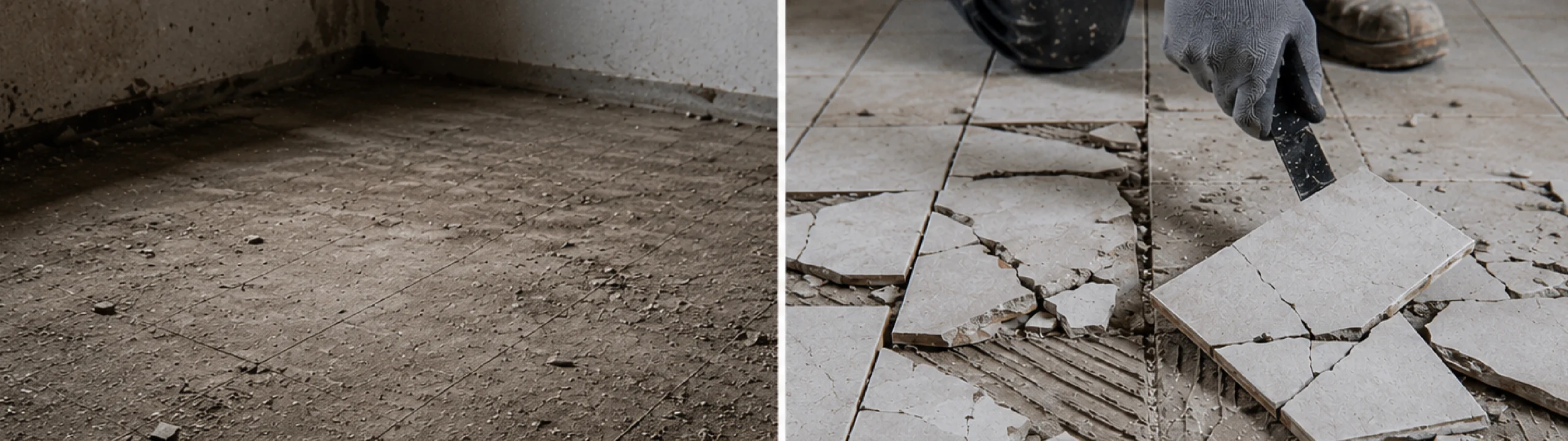
The Short Answer: A flawless installation demands a perfectly flat substrate and the use of premium, highly deformable polymer-modified mortar applied with a double-spread technique to ensure 100% coverage.
The Foundation of the Monolithic Look: A giant slab leaves absolutely zero room for error when it comes to the wall or floor beneath it. If the wall is wavy or the floor dips, the rigid porcelain cannot bend to accommodate it. This leads to “lippage” (uneven edges between tiles) or hollow spots that can crack upon impact. Educating your contractors on strict leveling tolerances is the key to achieving that perfect, mirror-like “Wallpaper Effect”.
Technical Deep Dive: The substrate must be exceptionally flat—industry standards dictate a maximum variance of 1/8 inch over 10 feet. Installers must use self-leveling underlayments for floors and rendering mortars for walls before the slab ever enters the room. Furthermore, you must specify a high-performance, polymer-modified thin-set mortar (ANSI A118.4 or A118.15 compliant). Crucially, the installer must employ the “back-buttering” technique: applying mortar to both the substrate and the back of the slab using a specialized slant-ridge trowel. This guarantees the necessary 95-100% mortar coverage, eliminating air pockets and ensuring a lifetime bond.
Technical Comparison: Raphael Porcelain vs. Alternatives
| Feature | Natural Stone | Raphael Porcelain Slabs |
|---|---|---|
| Porosity | High (Stains & needs sealing) | Non-porous (< 0.05%) |
| Heat Resistance | Can crack under heat | Thermal Shock Safe |
| Weight (6mm) | Very Heavy | Versatile Weight Profile |
| Chemical Resistance | Etched by acids (lemon/vinegar) | Immune to acids/cleaners |
4. Does Specifying Large Format Increase Overall Project Costs?
The Short Answer: While the cost per square foot of the material may be higher than basic tile, specifying large format drastically reduces labor hours, demolition costs, and long-term maintenance, significantly lowering the true lifecycle cost of the project.
Balancing the Budget with High-End Appeal: A&D professionals constantly battle to keep their luxurious visions within the client’s budget. When sourcing premium materials, the perceived cost often scares developers. However, when you eliminate the days of labor required for demolition, the heavy debris removal, and the meticulous task of grouting thousands of tiny joints, the financial equation flips. For developers in competitive markets, finding reliable sources for affordable luxury porcelain surfaces B2B in New York or other major hubs is critical. By utilizing our direct channels, you acquire European-level aesthetic depth without the inflated middleman margins, protecting your project’s profitability while delivering an uncompromised luxury finish.
Technical Deep Dive: Beyond the immediate labor savings, large format porcelain offers unmatched long-term ROI. Because it is highly chemical resistant, UV stable, and virtually non-porous, the client will never need to budget for annual sealing, stain removal, or grout restoration. It is a one-and-done surface that retains its monumental beauty for decades, making it the smartest financial specification for high-traffic commercial environments and multi-family developments.
5. How Can Specifiers Ensure Flawless Execution Without Guesswork?
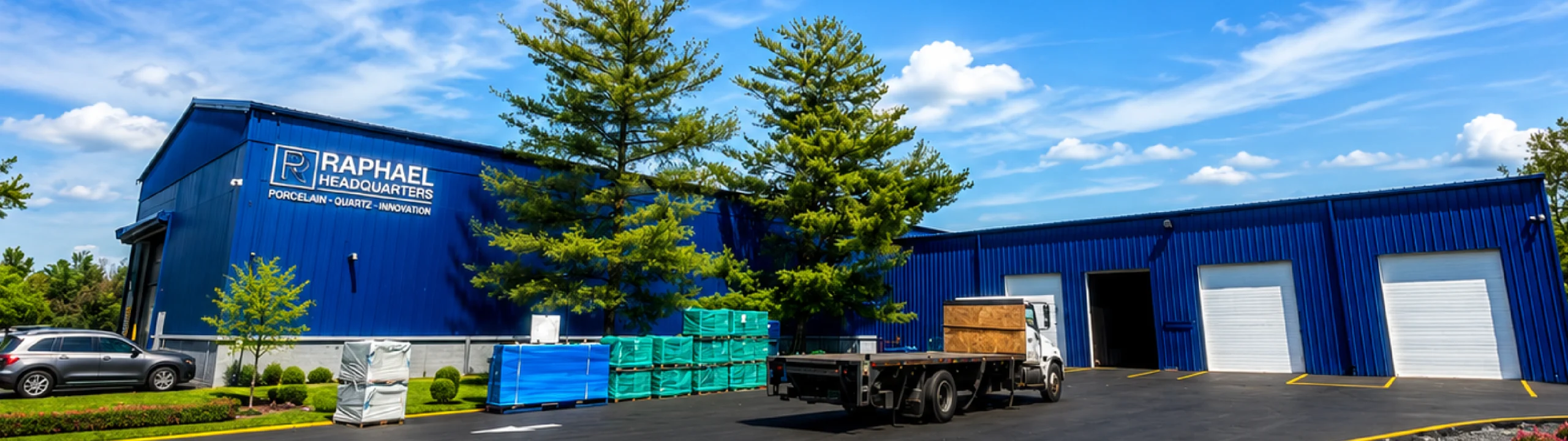
The Short Answer: By partnering with Raphael’s Professional-First Ecosystem, you receive dedicated customer service, exact technical data sheets, and real-time inventory reliability, ensuring your contractor has every resource needed to succeed.
A Partnership Built for Professionals: Specifying a beautiful slab is only the first step. The true challenge is bringing that render to reality. If your supplier drops off the material and walks away, you are leaving your contractor in the dark. We believe that top-tier customer service is just as important as the stone itself. Raphael operates on a “Professional-First Ecosystem”. We don’t just sell slabs; we partner with architects, designers, and fabricators. We provide the comprehensive installation guides, the BIM/CAD files for your software, and the exact technical specifications your contractors need to feel completely confident on the job site.
Technical Deep Dive: Logistical delays can ruin a renovation timeline. That is why our ecosystem is backed by unwavering Inventory Reliability. Unlike importers who leave you guessing about lead times, we maintain massive, ready-to-ship stock across our distribution centers. We stock so you don’t have to. From the moment you specify our 6mm large format porcelain to the final installation day, our dedicated account managers are there to provide physical samples, answer technical queries, and ensure a seamless, high-performance reality.
Ready to Transform Your Next Project?
Designing with massive 48×96 or 48×111 porcelain slabs doesn’t have to be a logistical hurdle. By understanding the structural advantages of our 6mm Versatile Weight Profile and utilizing the right handling techniques, you can eliminate contractor pushback and deliver breathtaking, monolithic spaces. Raphael is dedicated to empowering the A&D community through our Professional-First Ecosystem. We provide the technical data, the unparalleled European designs, and the robust inventory reliability you need to execute high-end renovations without the guesswork.